
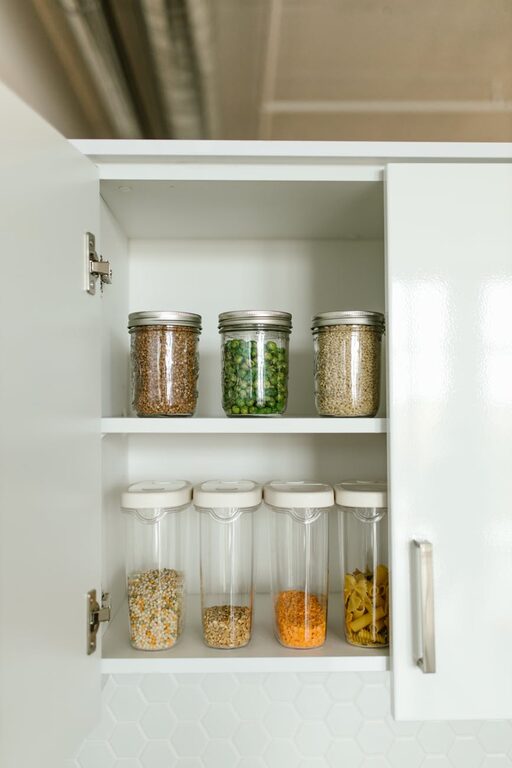
Keeping your fridge and pantry tidy doesn’t have to be a stressful chore. A well-organized kitchen storage area not only looks inviting but also helps reduce food waste, saves money, and makes cooking more enjoyable. In this post, we’ll explore practical steps to keep your fridge and pantry clean, organized, and easy to navigate.
Why Organizing Your Fridge and Pantry Matters
Before diving in, it’s good to understand why this matters. A cluttered fridge or pantry can hide expired items, lead to spoiled food, and slow down your cooking process. When you can find what you need quickly, meal preparation becomes smoother—and you’re less likely to overbuy or waste groceries.
Step 1: Clear Out and Clean
Start with a Thorough Inventory
Begin by removing everything from your fridge and pantry. This helps you see exactly what you have and what needs to be used or tossed.
– Check expiration dates carefully.
– Discard any spoiled, stale, or expired items.
– Set aside foods you want to keep but may be expired or doubtful to donate if still safe.
Clean the Spaces
Wipe down shelves, drawers, and containers with warm, soapy water or a gentle cleaner. Dry completely before putting items back to avoid moisture buildup, which can cause mold or bacteria.
Step 2: Group Similar Items Together
Organizing by category makes it easier to find what you need and keep track of supplies.
Pantry Categories
– Grains and pasta
– Baking ingredients
– Canned goods
– Snacks
– Spices and herbs
– Oils and sauces
Use clear containers or labeled bins to keep items together and prevent spills.
Fridge Categories
– Dairy products
– Fruits
– Vegetables
– Meat and seafood (keep these in the coldest drawer)
– Condiments
– Leftovers (store in clear containers with date labels)
Step 3: Use Proper Storage Solutions
Investing in good storage tools can make a huge difference.
Clear Containers
Using transparent containers for pantry staples like flour, rice, or cereals lets you see quantity at a glance and keeps food fresh longer.
Bins and Baskets
Use bins to corral items like snacks or sauces, so they don’t get lost in the back.
Drawer Dividers and Adjustable Shelves
In the fridge, drawer dividers help separate veggies from fruits, while adjustable shelves maximize space.
Step 4: Implement Simple Labeling
Clear labels help every household member find and put away items correctly.
– Use waterproof stickers or a label maker.
– Include item names and expiration dates.
– For leftovers, write the date they were stored to track freshness.
Step 5: Practice Smart Food Rotation
The “first in, first out” rule helps you use older items before newer ones.
– Place newly bought groceries behind older ones.
– Arrange items so the ones closest to expiry are visible and easily accessible.
– Regularly check and rotate stock during weekly meal planning or grocery shopping.
Step 6: Keep a Maintenance Routine
Consistent upkeep prevents clutter from building up.
– Schedule a quick clean-up once a week: check for spills, expired foods, and restock necessities.
– Do a deep clean every 1-2 months.
– Encourage all family members to return items to their designated spots.
Bonus Tips for a Tidier Fridge and Pantry
– Keep a running list of pantry staples and fridge essentials on the fridge door to avoid overbuying.
– Freeze leftovers promptly to extend their shelf life.
– Avoid overcrowding; leaving some space promotes air circulation, which keeps food fresher.
– Store herbs in water or wrapped in damp paper towels to prolong freshness.
– Use stackable containers to maximize vertical space.
Conclusion
Keeping your fridge and pantry tidy is achievable with a few mindful habits and the right storage tools. These steps not only enhance the look of your kitchen but also save time, reduce waste, and make cooking more pleasant. Start small today, and enjoy a more organized, efficient kitchen space.
Happy organizing!