
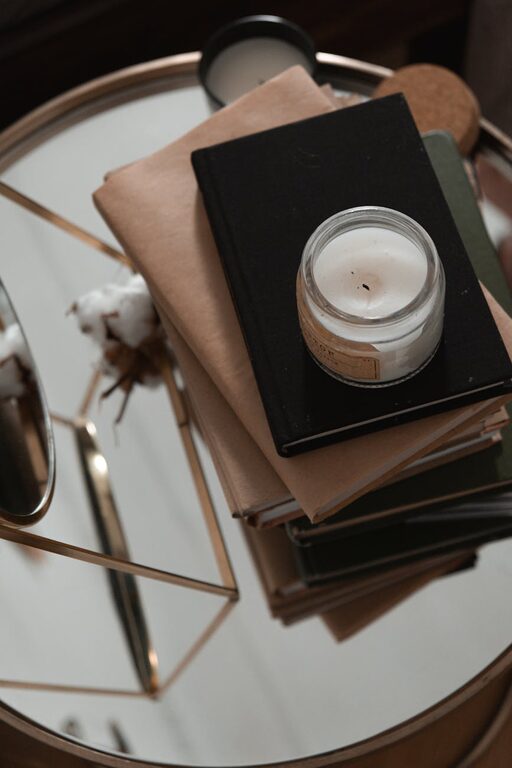
Creating a relaxing home workspace is essential for maintaining focus and productivity, especially when your living area doubles as your office. A cluttered or uncomfortable workspace can increase stress and decrease motivation, while a well-designed, peaceful environment encourages creativity and efficiency. In this post, you’ll find practical tips and ideas to transform your home workspace into a relaxing haven designed to support your work and well-being.
Why a Relaxing Workspace Matters
When working from home, distractions and stress can quickly build up. A calming atmosphere not only helps reduce anxiety but also improves concentration and workflow. By intentionally setting up a workspace that fosters relaxation, you’re more likely to feel motivated and efficient throughout the day.
Choosing the Right Location
Pick a Dedicated Spot
Having a designated area for work helps separate your professional and personal life, even within the same room. Ideally, choose a quiet corner or a small nook with minimal foot traffic to reduce distractions.
Consider Natural Light
Natural light can uplift your mood and reduce eye strain. Position your desk near a window if possible, but avoid glare on your computer screen by angling your desk or using sheer curtains.
Designing Your Workspace
Comfortable Seating
Invest in an ergonomic chair that supports good posture and reduces back strain. A chair with adjustable height and lumbar support can make long work hours much more comfortable.
Desk Setup
Choose a desk with enough surface area for your computer, notebooks, and any other tools you use daily. Keep the desk clutter-free to maintain a calm environment.
Add Soft Textures
Incorporate soft elements like a cozy rug, cushioned chair pad, or fabric wall hangings. These textures can make your workspace feel inviting and reduce the sterile office vibe.
Organizing for Peace of Mind
Declutter Regularly
A tidy space helps clear your mind. Set aside a few minutes at the end of each day to organize papers, put away supplies, and remove unnecessary items.
Smart Storage Solutions
Use shelves, drawers, and organizers to keep items stored and easily accessible. Label containers for quick identification to save time and reduce frustration.
Cable Management
Messy cords can add to visual clutter. Use cable clips, sleeves, or under-desk trays to keep wires neatly tucked away.
Incorporating Calming Elements
Plants
Indoor plants bring a touch of nature inside, improve air quality, and provide a calming influence. Easy-care plants like pothos, succulents, or snake plants are great options.
Personal Touches
Add a few personal items that make you happy—a favorite photo, a small sculpture, or inspiring quotes. These can create a positive atmosphere without overcrowding your space.
Soothing Colors
Select colors that calm the mind. Soft blues, greens, or neutrals are ideal for walls, furniture, or décor as they promote relaxation and reduce stress.
Lighting Tips for Comfort
Layered Lighting
Combine ambient light, task lighting, and accent lights to create a balanced environment. A desk lamp with adjustable brightness is helpful for focused work.
Avoid Harsh Overhead Lights
Bright or fluorescent lighting can cause eye strain and tension. Use softer bulbs or add lampshades to diffuse light gently.
Establishing Healthy Work Habits
Set Boundaries
Keep your workspace reserved for work-related tasks. Avoid using it as a relaxation spot to maintain the mental distinction between work and rest.
Take Breaks
Incorporate short breaks to stretch, walk, or relax your eyes. This helps reduce fatigue and maintains productivity.
Keep Hydrated and Nourished
Having water and healthy snacks nearby supports wellness and keeps your energy up.
Final Thoughts
Creating a relaxing home workspace isn’t about having a perfect setup—it’s about making your space work for you in a way that reduces stress and enhances focus. By choosing the right location, organizing efficiently, and adding calming touches, you can build an environment where work feels less like a chore and more like a fulfilling activity. Start small, experiment with what feels best, and enjoy the difference a peaceful workspace makes in your daily routine.