
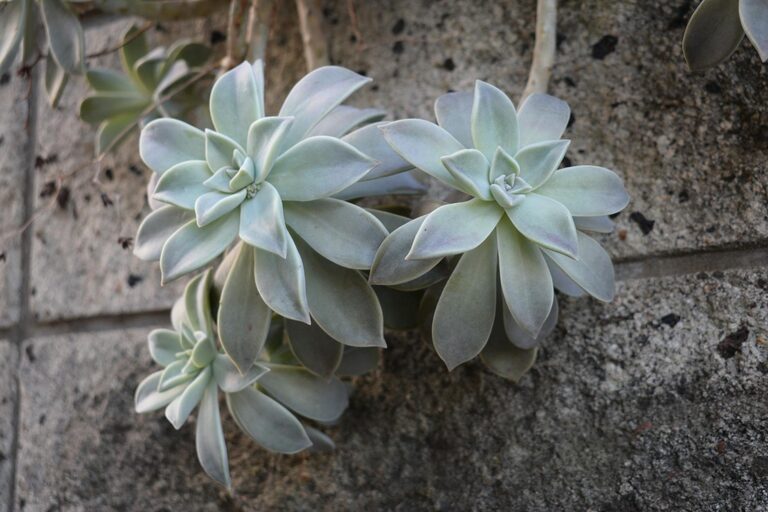
Bringing houseplants into your home adds life, color, and freshness to your living space. However, keeping these green companions healthy requires some knowledge and consistent care. Whether you’re new to indoor gardening or have a collection of plants already, understanding the essentials can help your plants thrive. Here are some practical tips to keep your houseplants healthy, happy, and growing robustly.
Understanding Your Plant's Needs
Every plant species is unique in its requirements. The first step to successful plant care is knowing what your specific houseplants need.
Light Requirements
Light is crucial for photosynthesis. Some plants, like succulents and cacti, thrive in bright, direct sunlight, while others, such as ferns and snake plants, prefer low to medium indirect light.
– Place sun-loving plants near south- or west-facing windows.
– Low-light plants are great for bathrooms, offices, or shaded corners.
– Rotate plants occasionally to ensure even light exposure on all sides.
Watering Properly
Watering is one of the most common mistakes in plant care. Overwatering can lead to root rot, while underwatering can cause wilting.
– Check the soil moisture before watering by touching the soil surface.
– Water thoroughly until water drains from the bottom of the pot.
– Empty drainage trays to prevent waterlogging.
– Adjust watering frequency seasonally—plants usually need less water in winter.
Soil and Potting Tips
Healthy soil and proper potting set the foundation for plant growth.
– Use well-draining soil suited to your plant type. For example, succulents need sandy, gritty soil.
– Choose pots with drainage holes to prevent excess water buildup.
– Repot plants every 1-2 years to refresh the soil and provide room for growth.
– When repotting, gently loosen root balls to encourage expansion.
Temperature and Humidity
Most houseplants thrive in temperatures between 65°F and 75°F (18°C to 24°C). Avoid placing plants next to temperature extremes such as heaters, air conditioners, or drafty windows.
Humidity is often overlooked but essential, especially for tropical plants.
– Increase humidity by grouping plants together.
– Use a humidity tray filled with water and pebbles.
– Mist plants occasionally with water, focusing on leaves.
– Consider a humidifier in dry environments.
Regular Maintenance and Monitoring
Routine care helps catch problems early and supports continual growth.
Pruning and Cleaning
– Remove dead or yellowing leaves promptly to prevent disease.
– Trim leggy growth to encourage fuller plants.
– Clean leaves with a damp cloth to remove dust and improve photosynthesis.
Fertilizing
Plants need nutrients to grow well, especially those kept indoors in limited soil.
– Use a balanced, water-soluble fertilizer every 4-6 weeks during the growing season (spring and summer).
– Reduce or stop fertilizing during the dormant winter months.
– Follow package instructions to avoid over-fertilization.
Pest Control
Indoor plants can attract pests like spider mites, aphids, or mealybugs.
– Inspect plants regularly for signs of infestation.
– Isolate affected plants to prevent spread.
– Use natural remedies such as insecticidal soap or neem oil.
– Maintain good airflow and cleanliness around plants.
Tips for Specific Plant Types
– Succulents and Cacti: Require lots of light and infrequent watering; make sure soil dries out completely between waterings.
– Ferns: Love humidity and indirect light; keep soil consistently moist.
– Orchids: Prefer indirect light, high humidity, and well-draining orchid mix soil; water weekly.
– Snake Plants: Very tolerant of low light and irregular watering; great for beginners.
Creating a Plant-Friendly Environment
– Avoid overcrowding plants to reduce competition for resources.
– Group plants with similar care needs together.
– Use grow lights if natural light is insufficient, especially in winter.
– Pay attention to seasonal changes and adjust care routines accordingly.
Conclusion
Keeping houseplants healthy is a rewarding process that enhances your home environment and personal well-being. By understanding your plants’ needs and providing consistent care, you’ll enjoy vibrant greenery that lasts for years. Remember, patience and observation are key—each plant will tell you what it needs if you take the time to listen.
Happy gardening!